The allure of gambling: understanding the attraction
Gambling in casinos captivates millions around the globe, enticing individuals with the prospect of winning big. The thrill of placing a bet or pulling the lever of a slot machine not only engages the senses but also activates the brain’s reward system. This neurological response is a key factor in why people enjoy gambling; it creates a sense of euphoria that is often difficult to replicate elsewhere. For those seeking an exciting experience, neosurf casino offers numerous opportunities, and the anticipation of a potential win can become a powerful motivator for many, driving them back to the tables and machines time and again.
Furthermore, the atmosphere of a casino plays a significant role in heightening excitement. Bright lights, vibrant colors, and engaging sounds create an immersive environment that stimulates players’ senses and enhances their emotional experience. This sensory overload can lead to a state of flow, a psychological phenomenon where individuals become so engrossed in an activity that they lose track of time and self-awareness. Consequently, as players become more absorbed in the environment, their decision-making processes may be skewed, leading to prolonged gambling behavior.
The social aspect of gambling also contributes to its allure. Casinos are social spaces where individuals gather to share experiences, celebrate wins, and commiserate over losses. The interaction with fellow gamblers can foster a sense of community and belonging, making the experience more enjoyable. Additionally, the presence of friendly dealers and staff members can create a welcoming atmosphere, further encouraging players to return. This blend of social interaction and entertainment makes gambling not just a solitary endeavor but a shared experience that enhances its appeal.
The role of cognitive biases in gambling behavior
Cognitive biases significantly impact how individuals perceive risk and reward in gambling scenarios. A common cognitive bias is the illusion of control, where players believe they can influence the outcome of a game through skill or strategy, even in games of chance like slots and roulette. This misconception can lead to overconfidence, prompting players to gamble more than they typically would. The belief that one can ‘beat the odds’ can be dangerously misleading, as it does not account for the inherent randomness of gambling.
Another prevalent cognitive bias in gambling is the gambler’s fallacy, where individuals mistakenly believe that past outcomes influence future events. For example, a player may think that if a particular number has not come up in a while, it is ‘due’ to hit soon. This line of thinking can lead to irrational betting patterns and increased losses, as individuals chase perceived trends rather than understanding the statistical realities of the games they are playing. Such biases can perpetuate a cycle of gambling that can be difficult to break.
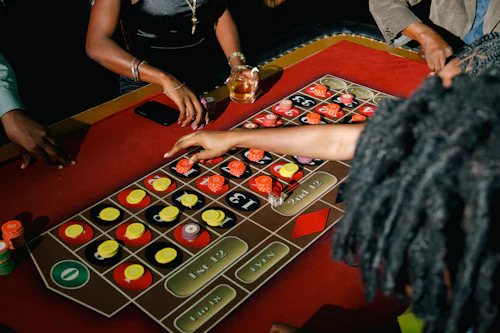
These cognitive biases also explain why some gamblers experience what is known as ‘loss chasing.’ After a series of losses, players may feel compelled to continue gambling in an attempt to recoup their losses, often leading to even greater financial difficulties. This behavior can be exacerbated by the high-stakes environment of casinos, where the adrenaline rush of betting can cloud judgment and fuel more risky behavior. Understanding these cognitive biases is crucial for recognizing the psychological traps that can ensnare gamblers.
The impact of emotions on gambling decisions
Emotions play a pivotal role in shaping gambling behavior, influencing decisions in ways that are not always logical. For instance, feelings of excitement and happiness are often associated with gambling, driving individuals to stake their money for the thrill of potential wins. Conversely, negative emotions such as stress and anxiety can also lead to gambling as a coping mechanism. In such cases, individuals may turn to gambling to escape their problems, seeking solace in the unpredictable outcomes of games.
The association of emotions with gambling extends to how players react to their results. Winning can elicit feelings of euphoria and elation, reinforcing the desire to continue gambling. On the other hand, losing often leads to frustration or sadness, which can trigger a cycle of irrational decision-making, where individuals gamble in an effort to ‘make things right.’ This emotional rollercoaster contributes to the complexity of gambling behavior, as players navigate a landscape filled with highs and lows.
Moreover, casinos strategically design their environments to tap into players’ emotions. From the use of celebratory sounds and visuals following a win to the presence of free drinks and complimentary entertainment, these elements are intentionally crafted to enhance emotional engagement. This connection between emotions and gambling decisions can lead to a more profound experience for players, sometimes blurring the lines between entertainment and compulsion.
Addiction and its psychological underpinnings
Gambling addiction, recognized as a behavioral addiction, profoundly affects both the individual and their loved ones. The psychological mechanisms behind this addiction are multifaceted, often encompassing a combination of genetic, environmental, and emotional factors. Individuals with pre-existing mental health issues, such as anxiety or depression, may be more susceptible to developing a gambling addiction as they seek relief from their emotional distress through gambling activities. The thrill of gambling can provide a temporary escape, making it a tempting option for those struggling with mental health challenges.

The brain’s reward system is significantly altered in individuals with gambling addiction, as they may require increasingly larger bets to achieve the same level of excitement. Over time, this can lead to compulsive gambling behavior, where the individual continues to gamble despite negative consequences. Understanding the neurological and psychological components of gambling addiction is key to developing effective treatment options and support systems for those affected.
Additionally, societal attitudes toward gambling can perpetuate the cycle of addiction. In cultures where gambling is normalized or glamorized, individuals may be less likely to seek help for their gambling problems. Stigmas surrounding addiction can discourage open dialogue and support, making it essential to raise awareness and create environments where individuals feel safe discussing their struggles. Addressing these challenges is vital for promoting healthier gambling behaviors and supporting those who are affected by gambling addiction.
Resources for understanding and managing gambling behavior
For individuals seeking to understand and manage their gambling behavior, a wealth of resources is available. Educational materials that delve into the psychology of gambling can help players identify the motivations behind their actions and recognize harmful patterns. Many organizations provide information about responsible gambling practices, emphasizing the importance of setting limits and understanding the odds associated with different games. Such knowledge can empower players to make informed decisions and develop healthier gambling habits.
Support groups and counseling services also play a crucial role in assisting individuals who struggle with gambling addiction. These resources provide a safe space for individuals to share their experiences, learn coping strategies, and find encouragement from others facing similar challenges. Programs specifically designed for problem gamblers often utilize a combination of psychological insights and practical advice to help individuals reclaim control over their gambling habits.
Additionally, many casinos are now implementing responsible gambling initiatives aimed at promoting safe gambling environments. These initiatives often include self-exclusion programs, where individuals can voluntarily restrict their access to gambling activities for a specified period. By fostering a culture of awareness and support, both within the gambling community and beyond, these resources contribute significantly to reducing the stigma surrounding gambling addiction and promoting healthier relationships with gambling.